 On 2 Sides – Balanced News and Perspectives

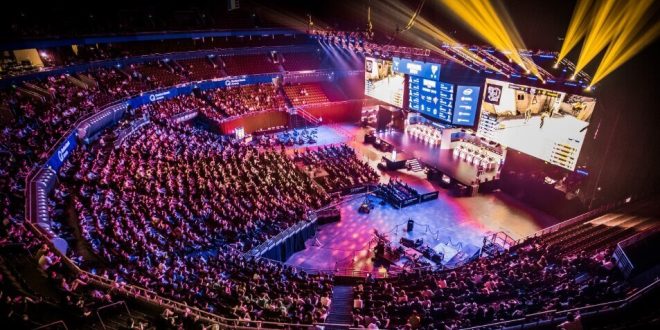
Esports has transformed from small community gatherings into one of the fastest-growing entertainment industries in the world. Today, competitive gaming attracts millions of viewers, professional athletes, major sponsors, and global tournaments with prize pools rivaling traditional sports.
How Esports Began
Early Arcade Competitions
Esports traces its roots back to the arcade era, where gamers competed for high scores and bragging rights. Games like Space Invaders and Pac-Man sparked the first wave of organized competitions.
LAN Parties and PC Gaming Boom
With the rise of personal computers, multiplayer titles such as Counter-Strike, StarCraft, and Quake paved the way for structured tournaments and dedicated gaming communities.
Factors Driving the Growth of Esports
1. Advancements in Technology
-
High-speed internet
-
HD streaming platforms
-
Affordable gaming hardware
These innovations made competitive gaming accessible and globally connected.
2. Rise of Streaming Platforms
Services like Twitch, YouTube Gaming, and Facebook Gaming helped esports gain mainstream attention by giving fans 24/7 access to live gameplay, professional commentary, and exclusive content.
3. Corporate Sponsorships and Investment
Major brands, including tech companies, beverage giants, and sports organizations, now invest heavily in esports teams, events, and leagues.
4. Youth Engagement and Community Culture
Younger generations are drawn to esports due to its interactivity, creativity, and community-driven nature.
Major Esports Titles and Genres
Popular Competitive Games
Some of the most influential esports titles include:
-
League of Legends
-
Dota 2
-
Counter-Strike 2
-
Valorant
-
Fortnite
-
Rocket League
-
Overwatch 2
These games span multiple genres such as MOBA, FPS, Battle Royale, and Sports Simulation.
Economic Impact of Esports
Revenue Sources
Esports generates income through:
-
Sponsorships
-
Media rights
-
Merchandise sales
-
Tournament tickets
-
In-game purchases
The industry’s rapid growth has made it a multi-billion-dollar sector worldwide.
Career Opportunities
Esports now offers diverse career paths, including:
-
Professional players
-
Analysts and coaches
-
Event producers
-
Game casters and hosts
-
Content creators
-
Team managers
Challenges Facing Esports
Professional Burnout
High-pressure schedules and intense training can lead to physical and mental fatigue.
Regulatory Issues
The esports industry lacks consistent global governance, which creates challenges in:
-
Player contracts
-
Tournament rules
-
Doping standards
-
Age restrictions
Online Toxicity and Cheating
Maintaining a fair, respectful, and safe online environment remains an ongoing battle.
The Future of Esports
Immersive Technologies
Virtual reality (VR) and augmented reality (AR) are expected to introduce new competitive formats and viewing experiences.
Global Expansion
Emerging regions such as Southeast Asia, Middle East, and Africa are becoming major hubs of esports growth.
Integration with Traditional Sports
Collaboration between esports and conventional sports leagues is increasing, helping bridge fan bases and expand entertainment options.
Frequently Asked Questions
1. What makes esports different from traditional sports?
Esports involves digital competition using video games, whereas traditional sports rely on physical athleticism. Both, however, share competitive structure, strategy, and fan engagement.
2. Are esports players considered athletes?
Yes, many organizations classify esports competitors as athletes due to their training, discipline, teamwork, and professional commitments.
3. How do esports teams make money?
Teams earn revenue from sponsorships, merchandise, tournament winnings, streaming, and partnerships.
4. Can someone pursue esports as a full-time career?
Absolutely. Many individuals become pro players, streamers, analysts, coaches, or content creators.
5. What equipment is necessary for competitive gaming?
Players typically need a high-performance PC or console, gaming peripherals, stable internet, and sometimes specialized software.
6. How do tournaments ensure fairness?
Events enforce strict rules, use anti-cheat software, and often monitor gameplay to prevent cheating.
7. What skills are most important in esports?
Key abilities include fast reflexes, strategic thinking, communication, teamwork, and consistent practice.

