On 2 Sides – Balanced News and Perspectives

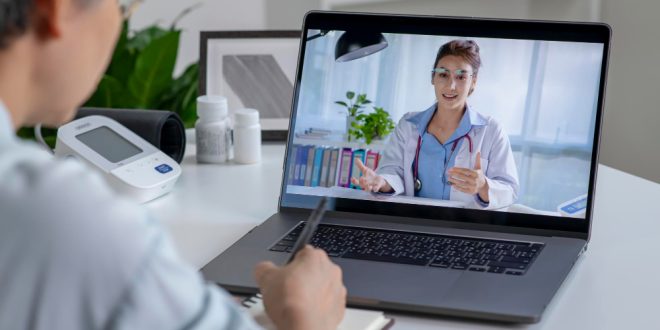
Healthcare delivery has undergone a quiet revolution over the past few years. What started as an emergency stopgap during global travel restrictions and social isolation has matured into a standard, indispensable pillar of modern medical treatment. Today, virtual clinic care is no longer a clumsy video conference over a shaky connection. It has become an integrated digital ecosystem connecting patients with general practitioners, seasoned specialists, therapists, and chronic disease monitors from the comfort of their own homes.
Despite its rapid expansion, many patients still wonder whether virtual medicine can truly match the quality of an in-person office visit. The question is not simply whether digital platforms are technologically capable, but whether virtual clinic care suits your specific medical, lifestyle, and diagnostic requirements. Understanding how telehealth has evolved, where it excels, where it falls short, and what the future holds will help you make an informed decision for your personal wellness journey.
The Evolution of the Virtual Medical Encounter
In its infancy, telehealth consisted primarily of telephone check-ins between rural community clinics and tertiary academic centers. Doctors consulted on remote radiology files or offered second opinions across long distances. As high-speed broadband and smartphone adoption surged, direct-to-consumer digital health exploded into mainstream visibility.
Modern telehealth represents far more than an ordinary video call. The contemporary virtual clinic incorporates several layered technologies that work in tandem:
-
Synchronous Care: Real-time, interactive communication via high-definition video, voice, and secure chat where patients and practitioners discuss active symptoms, evaluate visual concerns, and adjust treatment strategies.
-
Asynchronous Communication: Store-and-forward systems that allow patients to send photos of rashes, share blood sugar logs, or submit symptom checklists at any hour, which providers review and respond to on an established schedule.
-
Remote Patient Monitoring: Connected medical devices such as cellular blood pressure cuffs, continuous glucose monitors, spirometers, and digital stethoscopes that stream accurate physiological data directly into an electronic health record.
-
Intelligent Triage: Automated intake tools that gather comprehensive medical histories, check for red-flag symptoms, and guide patients toward the correct tier of care before an appointment even begins.
These elements combine to transform healthcare from an occasional, reactive event into a continuous, data-driven partnership.
Key Advantages of Modern Virtual Clinic Care
The rapid adoption of virtual clinics is driven by tangible improvements in convenience, accessibility, and overall patient engagement. For many individuals, these benefits represent a monumental upgrade over conventional outpatient visits.
Unmatched Convenience and Time Savings
The traditional clinic visit often requires hours of preparation. A patient must arrange transportation, navigate traffic, locate parking, sit in a crowded waiting room, and frequently lose half a working day just to speak with a physician for ten minutes. Virtual clinics eliminate these logistical bottlenecks. You can complete an appointment from a private home office or during a scheduled lunch break, drastically reducing stress and productivity losses.
Expanded Access to Specialized Medicine
Geographic location historically determined the quality of healthcare an individual could receive. Patients living in rural counties or small towns often had to travel several hours to see subspecialists in fields like rheumatology, endocrinology, or pediatric psychiatry. Telehealth dissolves these boundaries, granting patients direct digital access to top-tier academic specialists regardless of zip code, provided licensing regulations allow it.
Improved Management of Chronic Health Conditions
Chronic conditions like hypertension, type 2 diabetes, asthma, and mild heart disease require consistent, incremental management rather than sporadic emergency visits. Telehealth enables frequent, low-friction touchpoints between doctors and patients. Instead of waiting three to six months between checkups, providers can quickly review vitals transmitted via remote monitoring devices and modify prescriptions immediately, minimizing long-term complications.
Accessible Mental and Behavioral Health Support
Perhaps no sector has seen greater sustained success through virtual formats than mental health. Video therapy sessions eliminate the perceived stigma associated with sitting in an outpatient behavioral health waiting room. Furthermore, receiving counseling in a familiar, comfortable setting frequently helps patients open up more readily during psychotherapy.
Limitations and Practical Drawbacks to Consider
While virtual care offers unmistakable benefits, it is not a universal solution for every medical challenge. Recognizing the clear boundaries of virtual medicine is crucial for patient safety.
Absence of Hands-On Physical Examination
The most obvious limitation is the inability to conduct a tactile clinical exam. A doctor cannot palpate an abdomen to detect organ inflammation, perform an in-depth neurological reflex test, inspect a tympanic membrane for deep middle ear infections without specialized home equipment, or listen to faint heart murmurs with absolute acoustic fidelity. When clinical touch is required, virtual appointments must yield to in-person assessment.
Diagnostic Boundaries and Emergency Situations
Virtual clinics cannot administer diagnostic imaging such as X-rays, ultrasounds, or CT scans on the spot, nor can they draw blood samples or take throat swabs during the call. If your condition requires immediate laboratory validation, an extra visit to an outpatient lab will still be necessary. Furthermore, conditions involving acute chest pain, sudden numbness, severe respiratory distress, or trauma are strict medical emergencies that demand emergency room care.
Technical and Security Concerns
A productive telehealth session requires a stable internet connection, compatible hardware, and basic digital literacy. Gaps in broadband access continue to disadvantage certain populations. Additionally, while established platforms maintain stringent compliance with privacy laws and data encryption standards, using unvetted third-party apps can introduce privacy risks regarding sensitive personal health data.
Evaluating When Telehealth Is the Right Choice
Determining whether to book an online appointment or visit a physical clinic largely depends on your immediate clinical situation.
Virtual clinic care is generally ideal for:
-
Routine follow-ups on previously established diagnoses.
-
Minor acute ailments like mild seasonal allergies, uncomplicated urinary tract infections, sinus congestion, or pink eye.
-
Medication management and routine prescription renewals.
-
Mental health consultations, counseling, and psychotherapy.
-
Discussion and interpretation of recent lab results or imaging studies.
-
Initial dermatological assessments of simple skin rashes or lesions.
In-person clinical care remains essential for:
-
Severe, sudden, or debilitating pain anywhere in the body.
-
Physical injuries suspected of involving fractures, deep lacerations, or joint dislocations.
-
Detailed preventative physicals that require pelvic, breast, or prostate examinations.
-
Persistent, unexplained systemic symptoms that resist straightforward explanation.
-
Any situation where vital signs indicate clinical instability, such as very low blood oxygen or erratic heart rhythms.
Emerging Trends Shaping the Future of Virtual Care
The next era of telehealth will blur the line between virtual consultations and physical hospital-level care. Artificial intelligence algorithms are beginning to assist clinicians by summarizing conversations into clinical notes in real time, freeing providers to maintain steady eye contact with patients. Machine learning models will increasingly parse streams of home sensor data to spot subtle physiological declines days before a patient feels ill, prompting preventative telehealth check-ins.
Additionally, home diagnostics are becoming significantly more advanced. Compact peripheral kits that plug into smartphones allow consumers to perform high-resolution otoscopy, basic throat photography, and digital lung auscultation from their living rooms. Hybrid healthcare systems will gradually dominate, giving patients a single medical home where virtual visits handle day-to-day maintenance and physical facilities step in seamlessly when procedural care is required.
Frequently Asked Questions
Can online doctors write prescriptions for controlled substances?
Prescription regulations for controlled medications vary significantly by state and federal jurisdiction. While temporary regulatory flexibilities have allowed certain mental health or chronic pain prescriptions to be initiated or renewed virtually, many regions still require at least one prior in-person clinical assessment before a provider can legally dispense scheduled substances.
Will my private insurance plan cover virtual clinic appointments at the same rate as office visits?
Many major commercial insurance carriers and public programs provide coverage for telehealth services, but specific benefits depend on individual policy structures and state parity legislation. Some plans offer identical copays for both formats, while others may offer reduced copays for virtual care or restrict coverage to preferred virtual network partners. Checking directly with your insurer before your appointment confirms your coverage terms.
What happens if the virtual clinician determines my condition cannot be treated online?
If a telehealth clinician evaluates your symptoms and concludes that a physical exam, emergency intervention, or specific lab work is necessary for a safe diagnosis, they will redirect you to an urgent care clinic, your local emergency department, or an appropriate in-person specialist. Ethical providers will not guess or prescribe treatment blindly when an in-person assessment is warranted.
How should I prepare my physical space to get the most out of a telehealth appointment?
Choose a quiet, well-lit room where you can speak candidly without household interruptions. Position your primary light source in front of your face rather than behind you to ensure the doctor can clearly see your skin tone, facial features, and any physical symptoms. Keep a list of your current medications, dosages, and questions readily available next to your screen.
Are virtual consultations safe and private under healthcare privacy laws?
Reputable telehealth platforms utilize HIPAA-compliant systems that employ end-to-end encryption to protect audio, video, and medical records. Avoid using public, unsecured Wi-Fi networks when discussing medical matters, and verify that the virtual clinic explicitly states compliance with established digital privacy regulations in its patient agreement.
Can pediatric patients use virtual clinics effectively?
Virtual clinics are often useful for pediatric concerns such as rashes, minor cold symptoms, sleep issues, behavioral concerns, and routine developmental check-ins. However, because infants and very young children cannot verbally communicate subjective symptoms, clinicians frequently have a lower threshold for recommending an in-person physical examination to guarantee safety.