 On 2 Sides – Balanced News and Perspectives

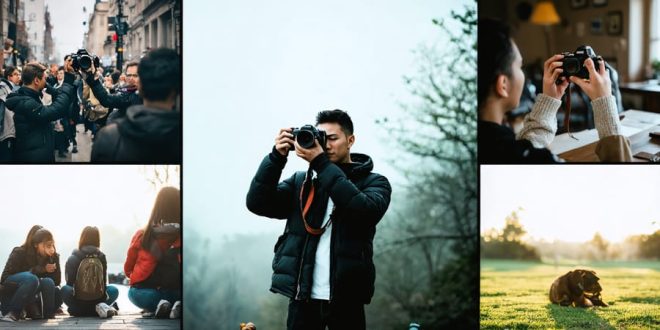
A photographer is far more than someone who presses a shutter button. They are visual storytellers who blend technical expertise with artistic vision to capture moments, emotions, and ideas. From documenting real-life events to creating imaginative visual narratives, photographers shape how we perceive the world around us.
What Does a Photographer Do?
Photographers work across a wide range of settings and industries. Their responsibilities vary depending on their specialty, but common tasks include:
-
Planning photo sessions, including location, lighting, and equipment.
-
Capturing high-quality images using professional cameras and lenses.
-
Editing photos with software such as Adobe Lightroom or Photoshop.
-
Collaborating with clients, models, or creative teams.
-
Managing digital files and maintaining equipment.
Types of Photographers
Portrait Photographer
Focused on capturing people’s personalities, portrait photographers work in studios, homes, or outdoor settings. They create images for families, couples, professionals, and more.
Wedding Photographer
Wedding photography requires precision, creativity, and the ability to capture emotional moments under pressure. These photographers document ceremonies, receptions, and candid interactions.
Commercial Photographer
Commercial photographers produce imagery for marketing and advertising campaigns. Their work appears on websites, product catalogs, billboards, and packaging.
Fashion Photographer
Fashion photographers collaborate with designers, models, and magazines to highlight clothing and accessories. Their work often involves styled shoots, dramatic lighting, and creative concepts.
Landscape Photographer
These photographers capture natural scenery, often working in remote locations. They rely heavily on lighting conditions, composition, and patience to create visually striking images.
Photojournalist
Photojournalists tell news stories through images. They work for media outlets, covering events, conflicts, and human-interest stories with accuracy and authenticity.
Essential Skills Every Photographer Needs
Technical Mastery
A strong understanding of camera settings, lenses, and lighting is crucial. Photographers must know how to adjust aperture, shutter speed, and ISO to achieve desired results.
Creativity and Vision
Photography is an art form. The ability to experiment with angles, perspectives, and composition sets professionals apart.
Editing Expertise
Post-processing is an essential part of modern photography. Skilled photographers refine colors, sharpness, exposure, and overall mood through editing tools.
Communication
Working with clients, models, or teams requires clear direction and interpersonal skills.
Business Knowledge
Freelance photographers must handle marketing, contracts, pricing, and client management.
Tools and Equipment Used by Photographers
Photographers invest in high-quality equipment to achieve professional results. Common gear includes:
-
Digital cameras (DSLR or mirrorless)
-
Prime and zoom lenses
-
Tripods and stabilizers
-
Lighting equipment such as softboxes and reflectors
-
Editing software
How to Become a Photographer
Learn the Basics
Understanding exposure, composition, and camera operation is the foundation.
Practice Regularly
Shooting frequently helps build confidence and skill.
Build a Portfolio
A strong portfolio showcases style and talent to potential clients or employers.
Take Courses or Workshops
Formal training can refine technical and creative abilities.
Network and Market Yourself
Connecting with other professionals and promoting work on social media can open doors to new opportunities.
Career Opportunities and Income
Photographers can work:
-
Freelance
-
In media organizations
-
For studios or agencies
-
In corporate settings
-
As educators or instructors
Earnings vary widely based on niche, location, experience, and demand.
FAQ
1. What camera should a beginner photographer start with?
Beginners often start with an entry-level DSLR or mirrorless camera that offers manual controls and interchangeable lenses.
2. Do photographers need formal education?
While not mandatory, courses and workshops can help build essential skills and industry knowledge.
3. How long does it take to become a professional photographer?
It varies. Some develop skills in a few months, while others take years to master the craft and build a portfolio.
4. What software do photographers use for editing?
Most rely on tools like Adobe Lightroom and Photoshop for color correction, retouching, and enhancement.
5. How do photographers price their services?
Pricing depends on experience, equipment, editing time, usage rights, and project complexity.
6. How important is lighting in photography?
Lighting is one of the most crucial elements—it determines mood, clarity, and overall image quality.
7. Can photographers specialize in multiple photography types?
Yes, many photographers diversify their skills and work across different genres for more opportunities.


